

 Feed back
 Privacy Policy
Shutter Muse
Living in a fast-paced urban environment can be exhilarating, but it often comes with stress, burnout, and a lack of work-life balance. In cities like Bangkok, Singapore, and Jakarta, the demands of work, social life, and daily responsibilities can feel overwhelming. However, finding balance is essential for maintaining mental and physical well-being. This article provides practical tips on how to find balance in a fast-paced urban lifestyle.
Understanding the Challenges of Urban Living
High Stress Levels: Urban environments are often associated with high stress levels due to traffic, noise, and the fast pace of life.
Long Working Hours: Many urban professionals work long hours, leaving little time for relaxation and personal activities.
Social Pressures: The pressure to keep up with social events, networking, and cultural expectations can be exhausting.
Limited Green Spaces: Urban areas often lack access to nature, which is essential for mental and physical well-being.
Strategies for Finding Balance
Prioritize Self-Care
Set Boundaries: Establish clear boundaries between work and personal life. Avoid checking work emails or taking calls during personal time.
Regular Breaks: Take regular breaks throughout the day to rest and recharge. Even a short walk or a few minutes of deep breathing can make a difference.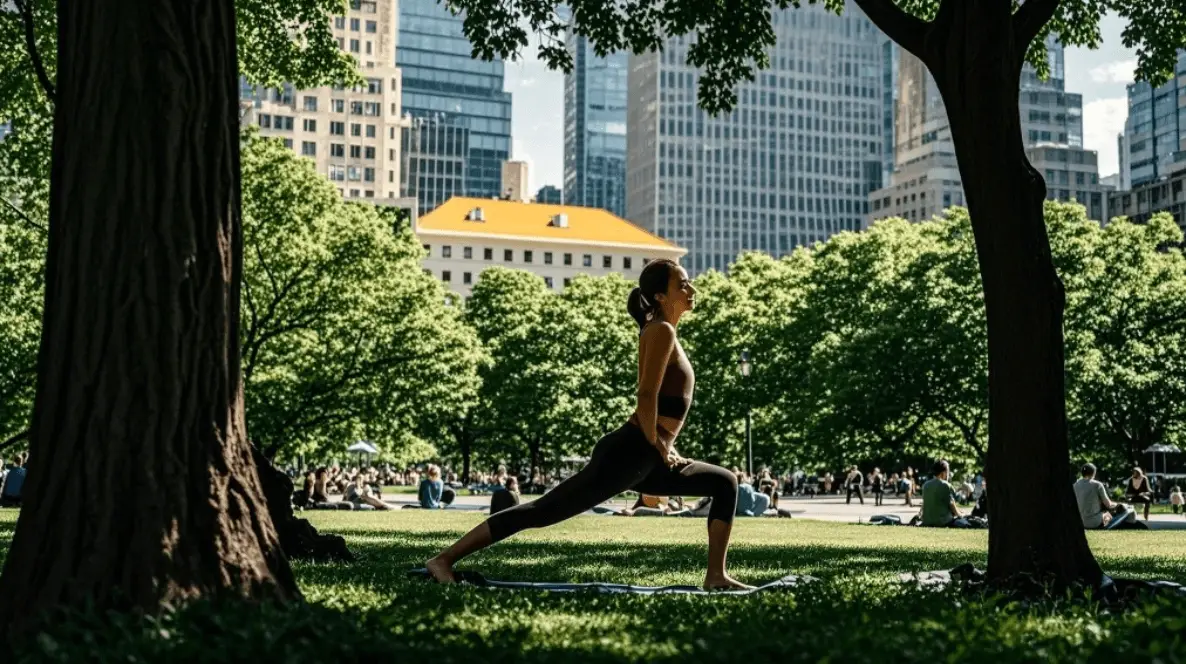
Incorporate Mindfulness Practices
Meditation: Practice meditation daily to calm the mind and reduce stress. Apps like Headspace and Calm offer guided sessions for beginners.
Mindful Activities: Incorporate mindfulness into daily activities, such as eating, walking, or commuting. Focus on the present moment and engage your senses.
Create a Balanced Schedule
Time Management: Use time management techniques to prioritize tasks and avoid overcommitting. Tools like to-do lists and calendars can help you stay organized.
Work-Life Balance: Allocate time for work, leisure, and personal activities. Ensure you have time for hobbies, exercise, and socializing.
Engage in Physical Activity
Regular Exercise: Incorporate regular exercise into your routine. Whether it’s going to the gym, practicing yoga, or cycling, physical activity helps reduce stress and improve mood.
Outdoor Activities: Spend time outdoors, even in urban settings. Visit parks, gardens, or rooftop spaces to connect with nature and get fresh air.
Connect with Community
Social Support: Maintain strong social connections with friends and family. Social support is crucial for emotional well-being and provides a sense of belonging.
Join Groups: Join community groups or clubs that align with your interests. Whether it’s a sports team, book club, or volunteer organization, being part of a community can enhance your sense of purpose.
Disconnect from Technology
Digital Detox: Take regular breaks from technology. Set aside time each day to disconnect from your phone, computer, and other devices.
Screen-Free Zones: Create screen-free zones in your home, such as the bedroom or dining area. This helps reduce distractions and promotes relaxation.
Seek Professional Help
Therapy and Counseling: If you’re struggling to find balance, consider seeking professional help. Therapy and counseling can provide valuable support and coping strategies.
Wellness Programs: Many companies offer wellness programs that include stress management, mindfulness training, and fitness activities. Take advantage of these resources.
Sample Balanced Daily Routine
Morning:
6:30 AM: Wake up and practice 10 minutes of meditation or deep breathing.
7:00 AM: Exercise (e.g., yoga, jogging, or gym).
8:00 AM: Healthy breakfast and plan the day.
Workday:
9:00 AM - 12:00 PM: Focused work with regular breaks (e.g., 5-minute stretch or walk every hour).
12:00 PM: Lunch break with mindful eating.
1:00 PM - 5:00 PM: Continue work with a short afternoon break for a walk or relaxation.
Evening:
6:00 PM: Engage in a hobby or social activity (e.g., reading, painting, or meeting friends).
8:00 PM: Light dinner and relaxation (e.g., watching a movie or listening to music).
9:30 PM: Digital detox and prepare for bed (e.g., reading a book or practicing gratitude).
10:00 PM: Sleep.
Conclusion
Finding balance in a fast-paced urban lifestyle is essential for maintaining mental and physical well-being. By prioritizing self-care, incorporating mindfulness practices, creating a balanced schedule, engaging in physical activity, connecting with community, disconnecting from technology, and seeking professional help, you can achieve a more balanced and fulfilling life. Embrace these strategies to navigate the challenges of urban living and enjoy a healthier, more harmonious lifestyle.
alice
|
2025.03.13
By Jonathan Rivers | 2025.06.16

By Jordan Lightweaver | 2025.06.16

By Emily Carter | 2025.06.16

By Emily Carter | 2025.06.16


