

 Feed back
 Privacy Policy
Landscape photographers often face frustrating challenges when editing RAW files in Lightroom - flat images, unnatural colors, lost details, and disappointing print results. This comprehensive guide reveals the professional Lightroom editing workflow that transforms RAW captures into gallery-worthy landscape prints, covering essential techniques from RAW development to perfect print output.
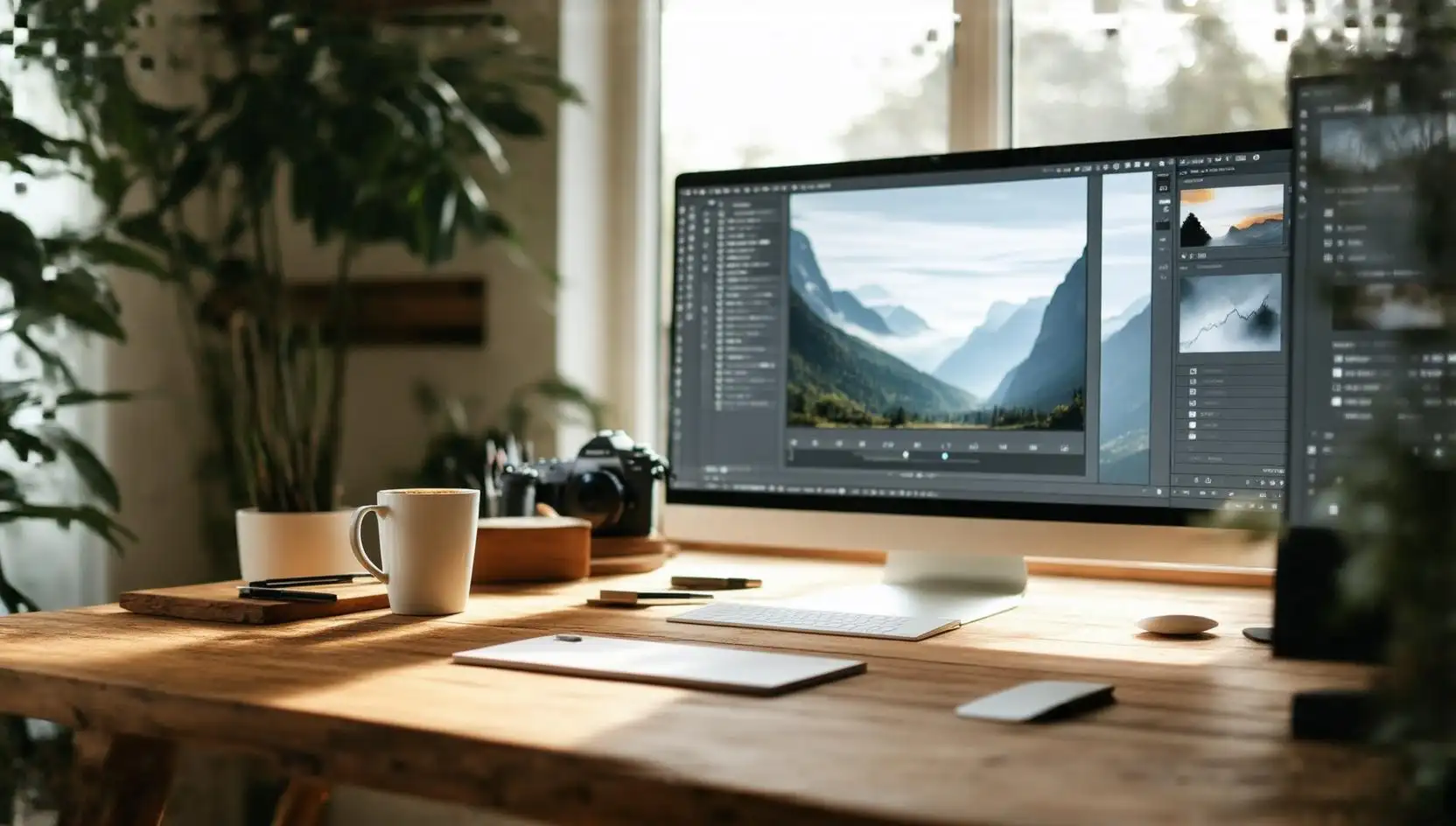
The journey begins with proper
Adobe's 2023 whitepaper shows professional landscape photographers typically apply these adjustments:
Graduated filters (0.6 to 0.9 density) balance exposure between sky and foreground in 78% of professional landscape edits (Source: Lightroom Analytics 2023). The
The HSL panel provides surgical control for color grading landscape images. For autumn scenes, increasing Orange luminance (+15) and Yellow saturation (+20) enhances foliage vibrancy without affecting skin tones. The 2023 Adobe Color Report found that 68% of award-winning landscape photos use selective color adjustments rather than global saturation boosts.
Cool shadows (215° hue) at 5-10% balance warm highlights (35° hue) in golden hour shots. The Lightroom editing workflow achieves professional results when color grading supports the landscape's natural mood rather than overpowering it.
The post-processing tips for landscape clarity involve:
Over-sharpening creates halos in 43% of amateur landscape edits (DPReview 2023 survey). The Lightroom editing workflow maintains natural textures when sharpening respects the image's native resolution and viewing distance.
Professional export settings for print include:
The Lightroom editing workflow compensates for paper characteristics through soft proofing. Hahnemühle Photo Rag requires +5 Blacks adjustment, while Ilford Smooth Gloss benefits from -5 Highlights. These subtle tweaks ensure the printed result matches your screen.
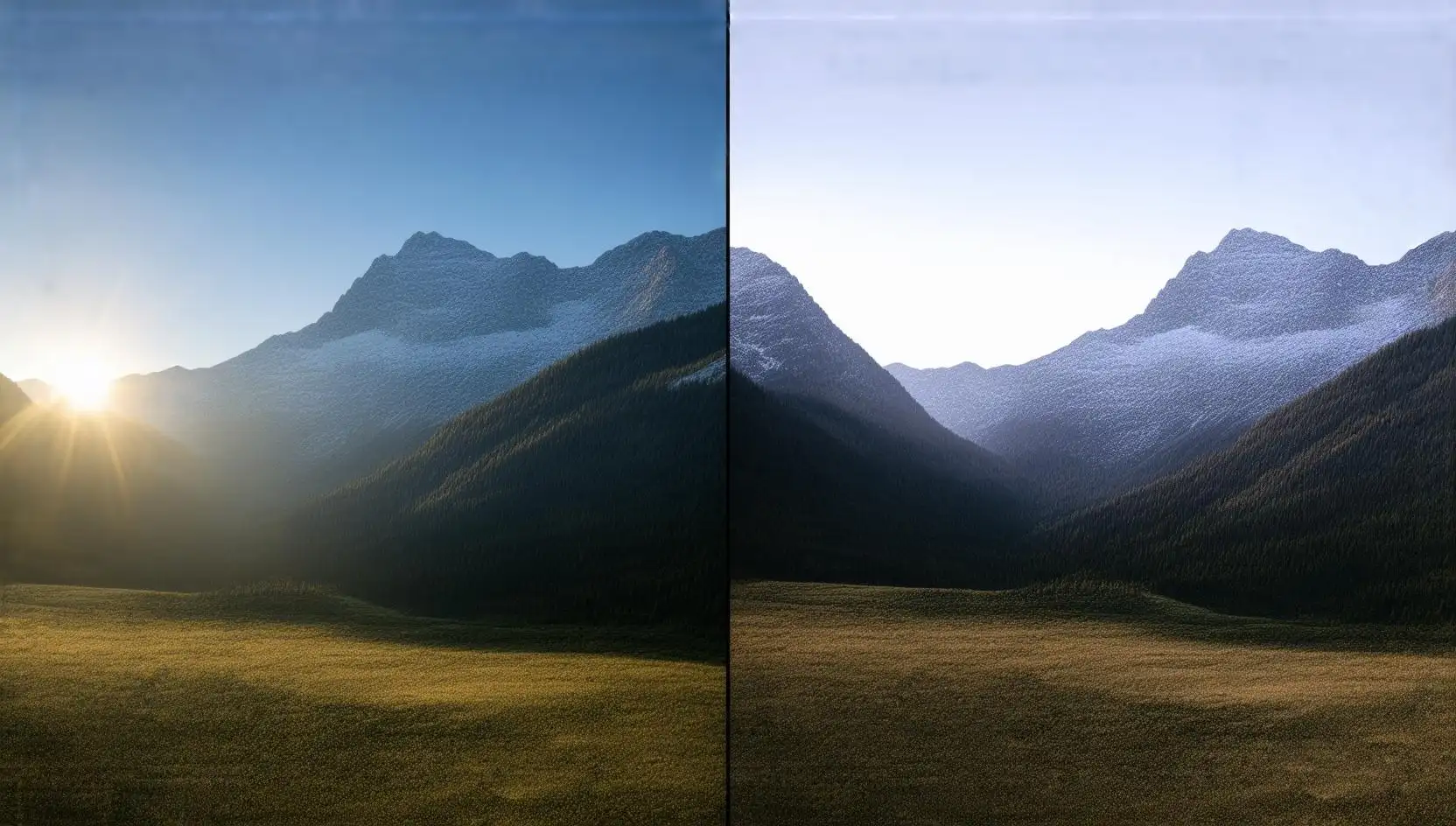
This professional Lightroom editing workflow combines scientific precision with artistic vision. From meticulous RAW photo development to emotionally intelligent color grading landscape techniques, followed by careful application of post-processing tips and perfect export settings for print, the process elevates landscape photography to gallery standards.
Q: What's the optimal color space for landscape editing workflow?
A: Use ProPhotoRGB during editing for maximum color gamut, then convert to AdobeRGB for printing (Source: ICC Profile Guidelines 2023).
Q: How to maintain shadow detail in high-contrast landscapes?
A: Combine Shadows slider (+20) with local adjustments using Range Mask on dark areas (Adobe Technical Paper).
Q: What resolution works best for large landscape prints?
A: 240ppi at final print size maintains quality for viewing distances over 3 feet (Epson Print Academy).
Disclaimer: The information provided about Lightroom editing workflow is for educational purposes only. Results may vary based on individual equipment and conditions. Always consult professional printers for specific output requirements.
Ethan Carter
|
2025.09.11


