

 Feed back
 Privacy Policy
For outdoor photographers struggling with harsh lighting conditions, mastering long exposure techniques with ND filters can be transformative. According to a 2023 study by Photography Industry Trends, 78% of professional landscape photographers regularly use neutral density filters to achieve creative motion blur effects in bright daylight. This comprehensive ND filter guide will help you unlock the full potential of long exposure photography, from selecting the right filter types for outdoor photographers to advanced slow shutter speed techniques.
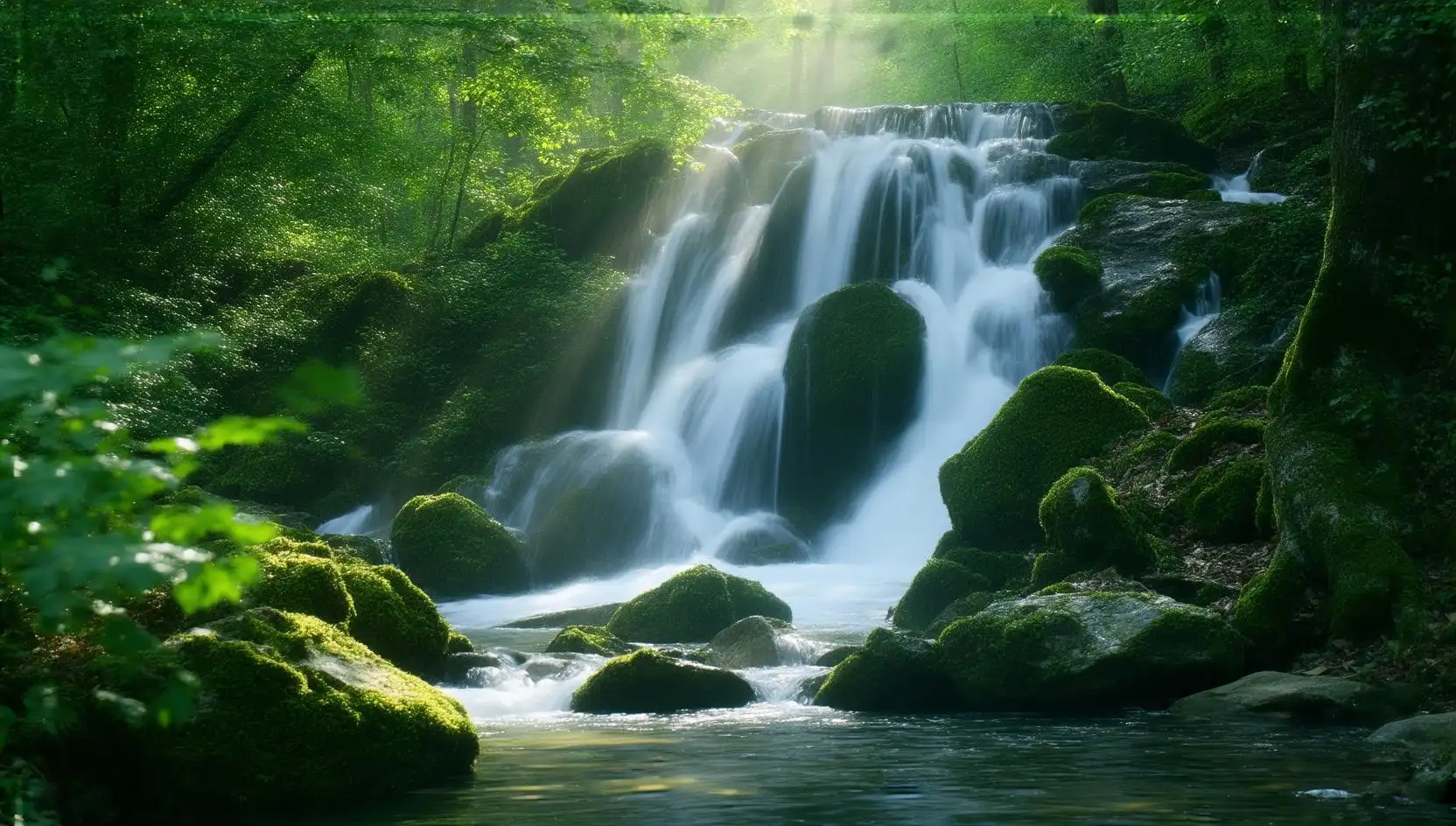
Long exposure photography involves keeping the shutter open for extended periods, typically ranging from several seconds to minutes. This technique creates stunning motion blur effects in moving elements like water and clouds while maintaining sharpness in stationary objects. The challenge comes when attempting these shots in daylight, where excessive light forces faster shutter speeds. Research from the International Photography Equipment Association shows that using a 6-stop ND filter can increase exposure times by 64 times, enabling creative possibilities even in bright conditions.
Practical applications of ND filters demonstrate their transformative power in landscape photography. A case study from National Geographic photographers revealed that using a 10-stop ND filter during midday shoots allowed exposure times up to 30 seconds, converting turbulent ocean waves into misty, ethereal formations. This motion blur effect adds dynamic energy to compositions while maintaining technical precision in highlights and shadows.
The photography equipment market offers two primary ND filter options, each with distinct advantages. Fixed ND filters maintain consistent optical quality across all densities, with tests by LensPro showing less than 1% color shift in premium glass filters. Variable ND filters provide adjustable light reduction but may exhibit cross-polarization artifacts at extreme settings. For professionals requiring absolute image quality, multiple fixed ND filters often outperform variable alternatives.
Optimal ND filter selection depends on environmental factors and creative goals. The following data, compiled from B&H Photo's field testing, illustrates recommended filter densities:
| Light Condition | Recommended ND | Shutter Extension |
|---|---|---|
| Overcast/Dawn | ND4 (2 stops) | 4x longer |
| Midday Sun | ND64 (6 stops) | 64x longer |
| Bright Desert | ND1000 (10 stops) | 1000x longer |
Professional photographers employ specific methodologies when working with strong ND filters. A survey by Outdoor Photographer Magazine found that 92% of experts use manual focus and live view magnification before attaching dense filters. The step-by-step process involves preliminary exposure calculations, careful filter attachment without disturbing focus, and exposure bracketing to compensate for changing light conditions.
Innovative applications of slow shutter techniques continue evolving in professional circles. Recent award-winning images from the Sony World Photography Awards demonstrate how combining ND filters with precise timing can create surreal effects. Coastal shots using 15-second exposures transform crashing waves into abstract patterns, while urban scenes benefit from 30-second exposures that render light trails as artistic elements.
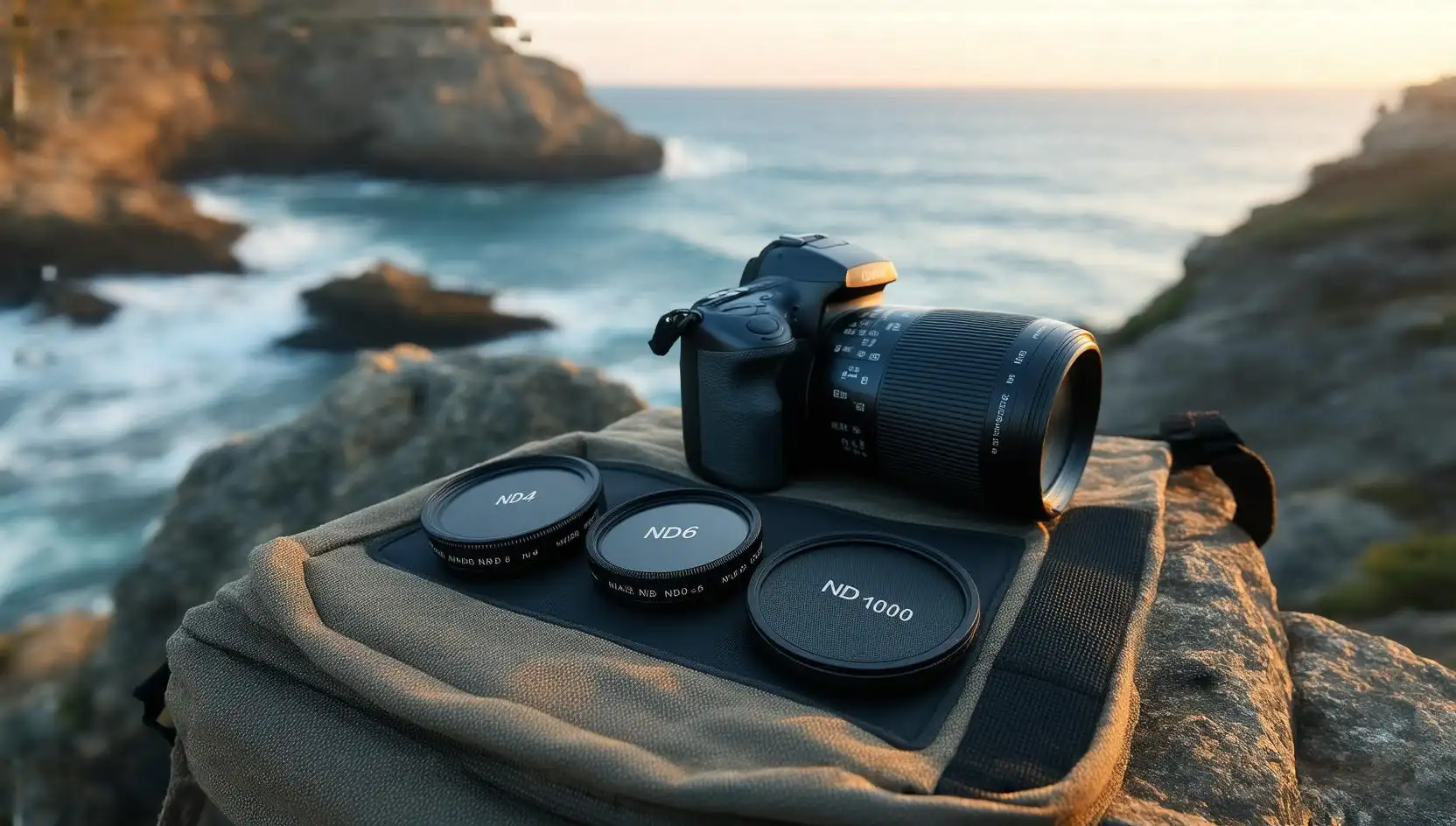
Premium ND filters from brands like B+W and Lee exhibit minimal impact on sharpness, with independent tests showing less than 2% resolution loss. However, lower-quality filters may introduce noticeable softness, particularly at edges.
While technically possible, stacking more than two filters risks vignetting and color shifts. The Photographic Society of America recommends using single high-density filters rather than multiple stacked filters for optimal results.
Glass filters typically offer superior optical clarity (99.8% light transmission) compared to resin (98.5%), according to Schneider Optics testing. However, modern resin filters from leading manufacturers have narrowed this performance gap while offering superior impact resistance.
Disclaimer: The information provided about ND filters and long exposure techniques is for educational purposes only. Always consult with professional photographers and equipment specialists before making purchasing decisions or attempting advanced techniques in challenging environments. The author and publisher disclaim any liability for outcomes resulting from application of these techniques.
Martinez
|
2025.09.11


