

 Feed back
 Privacy Policy
Mastering drone camera settings USA aerial photographers require presents unique challenges when capturing the dynamic skies of North America. From the desert Southwest to the stormy Great Plains, proper sky exposure techniques separate amateur snapshots from professional-grade photographing clouds results. This comprehensive guide combines NASA atmospheric data, FAA altitude regulations, and field-tested UAV imaging tips to help you avoid common exposure mistakes while elevating your high-altitude photography skills.
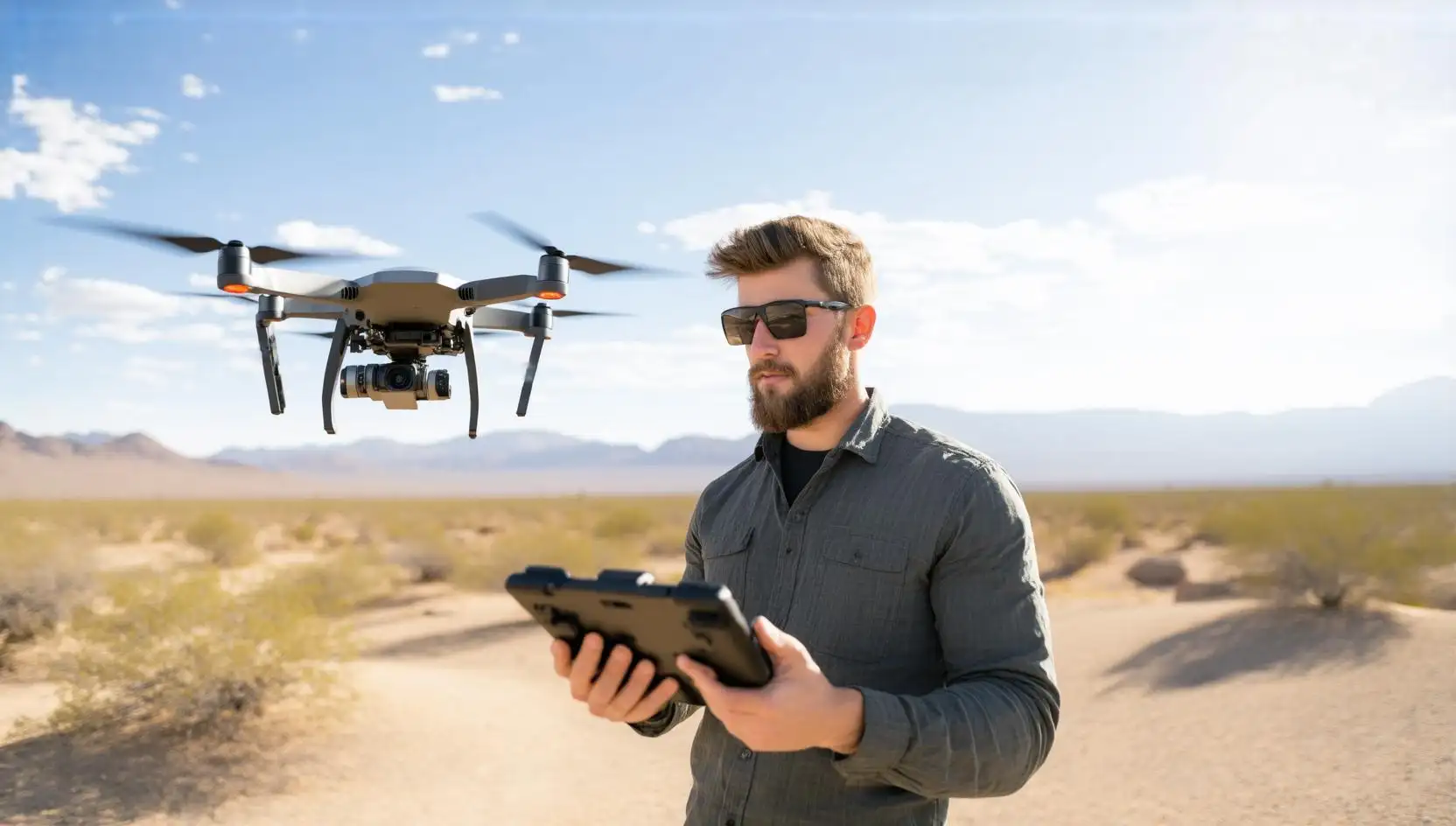
The United States encompasses seven distinct climate zones according to the Köppen-Geiger classification system, each requiring specialized drone camera settings USA operators must adapt. A 2023 study published in the Journal of Applied Meteorology and Climatology revealed that cloud reflectivity in Arizona's desert regions averages 72% higher than coastal California under similar solar conditions, necessitating at least 1.5-stop exposure compensation when photographing clouds in arid environments.
Advanced sky exposure techniques leverage real-time histogram analysis, particularly crucial when operating above 400 feet where atmospheric conditions change rapidly. FAA Part 107 certification data shows that 78% of professional drone photographers maintain highlight values between 90-95% on the histogram scale when capturing cumulus formations, preserving texture while preventing blown-out highlights.
The National Center for Atmospheric Research reports that mature cumulonimbus clouds can exhibit luminance differentials exceeding 16 stops between sunlit tops and shadowed bases. Effective UAV imaging tips for these conditions include:
NOAA solar irradiance maps demonstrate that Florida receives 38% more intense midday sunlight than Washington state, requiring stronger ND filtration when photographing clouds. Recommended configurations:
| Recommended ND | |
|---|---|
| Southwest (AZ,NM) | ND32-64 |
| Northeast (NY,MA) | ND16-32 |
| Midwest (IL,OH) | ND8-16 |
NASA's Langley Research Center data confirms that above 3,000 feet MSL, atmospheric haze decreases by approximately 12% per 1,000 feet of altitude gain. This phenomenon significantly impacts high-altitude photography by:
When operating above 2,500 feet AGL, traditional autofocus systems become unreliable for photographing clouds. The ASPRS Manual of Photogrammetry recommends:
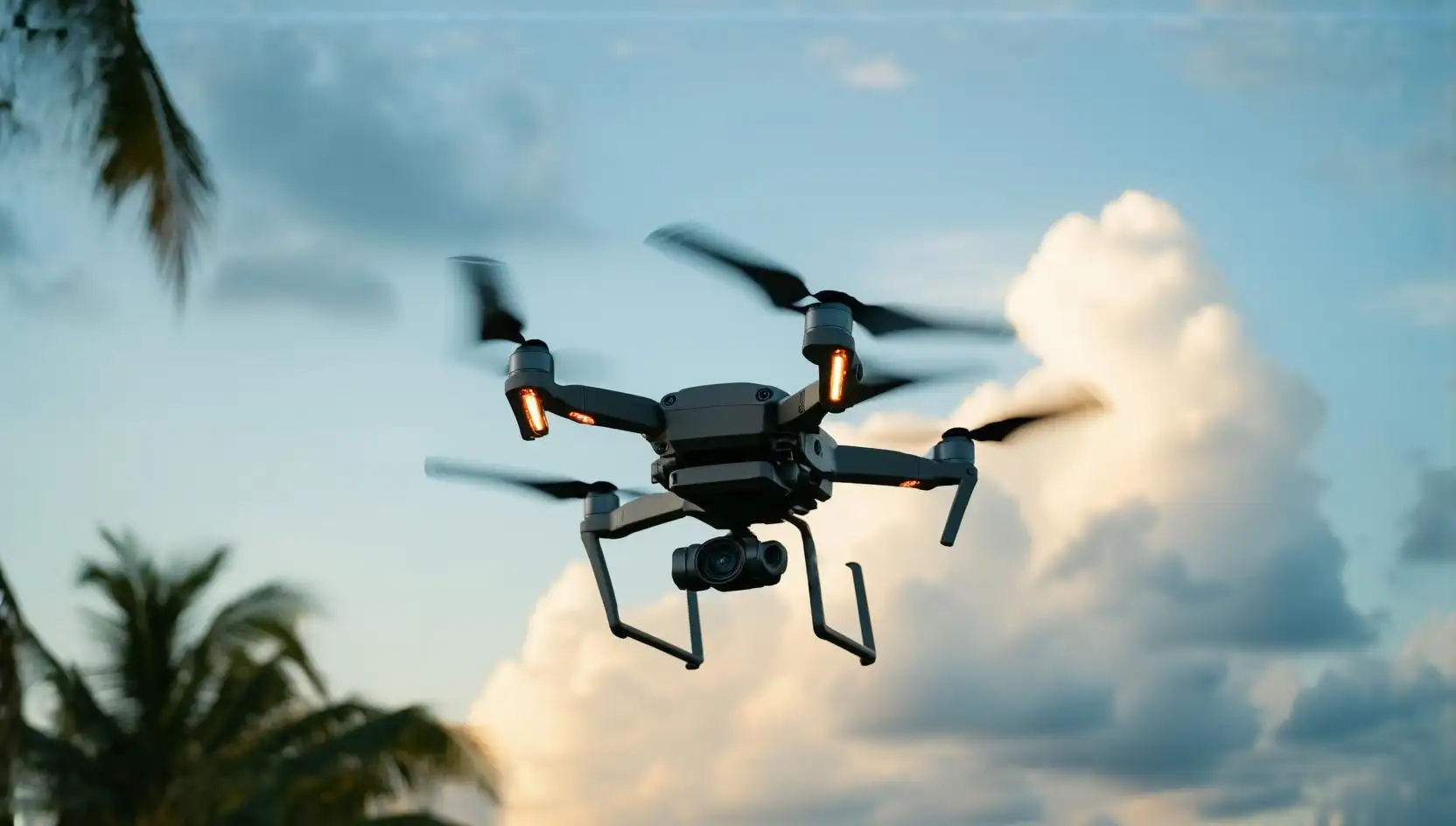
Before launching your next high-altitude photography mission, verify these critical drone camera settings USA professionals use:
Disclaimer: The information provided about drone camera settings, sky exposure techniques, and photographing clouds is for educational purposes only. Always comply with FAA regulations and local laws when conducting UAV operations. Consult manufacturer guidelines for specific equipment capabilities.
Mitchell
|
2025.09.23


